Digital and In-Person Event Integration: Building Hybrid Strategies That Actually Work
Digital and In-Person Event Integration: Building Hybrid Strategies That Actually Work
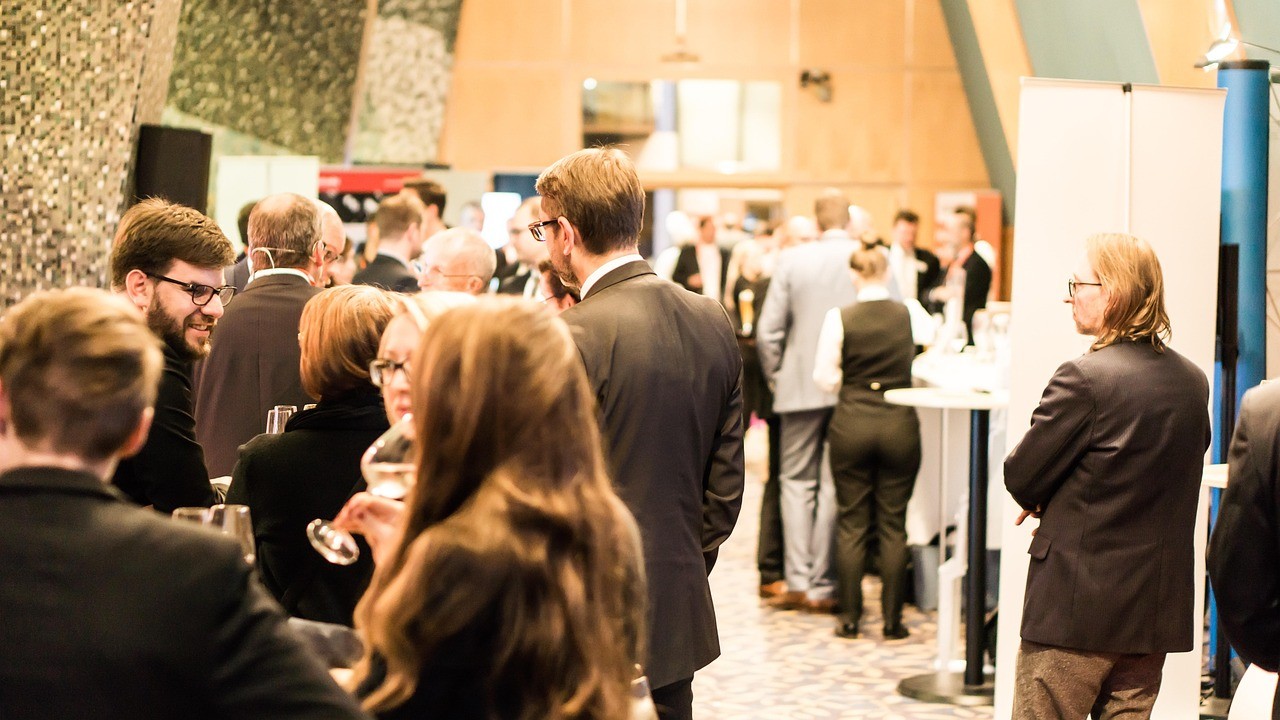
Visited an absolutely fascinating hybrid event last quarter.
Not fascinating because of the content, which was solid but not revolutionary. Fascinating because of how seamlessly the in-person and digital experiences integrated.
Most hybrid events feel like two separate experiences awkwardly sharing a brand. This one felt like a single experience accessible through different modalities. The difference in attendee engagement was remarkable.
The Integration Imperative
Analysis of B2B event trends confirms that IRL-to-URL integration has moved from competitive advantage to baseline expectation.
Attendees now expect seamless experiences regardless of participation mode. The question is no longer whether to offer hybrid options but how to execute them well.
For event marketing managers, this shift demands new competencies spanning both physical event production and digital experience design.
The Hybrid Design Framework
Start with experience parity, not feature parity. The goal isnt giving digital attendees access to everything in-person attendees experience. Its delivering equivalent value through appropriate modalities.
Design for asynchronous engagement. Not all digital attendees will participate live. Your hybrid strategy should account for time-shifted consumption, particularly important for global events spanning multiple time zones.
Create modality-specific value. In-person attendees value networking and immersive experiences. Digital attendees value convenience, content access, and flexibility. Design each track to maximise its inherent strengths.
Bridge the experiences intentionally. Facilitate cross-modality interaction through shared Q&A, combined networking sessions, and content that references both audiences.
Technical Integration Requirements
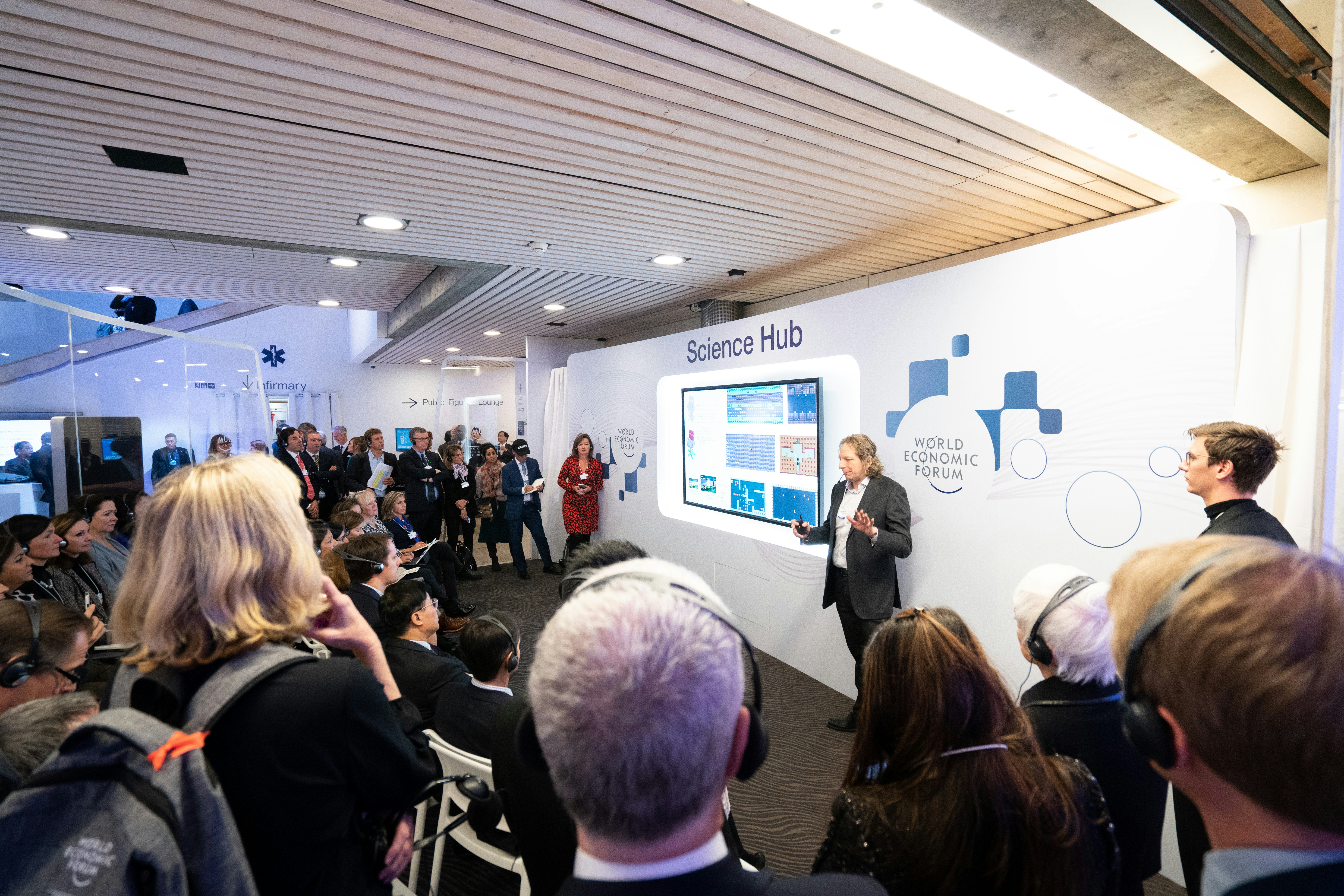
Production quality matters enormously for digital audiences. Webcam-quality streams of in-person presentations feel like an afterthought. Professional broadcast production with multiple camera angles, proper audio, and broadcast-quality graphics signals equal treatment of digital attendees.
Platform selection impacts engagement. The virtual event platform should enable the interactions you want to facilitate. Passive viewing requires different technology than collaborative workshops or networking-heavy programmes.
Data integration connects experiences. Unified attendee profiles that capture engagement across both modalities enable personalised follow-up and accurate attribution regardless of participation type.
Implementation Case Study
Gotomarketers.co designed a hybrid event programme for a B2B technology client that achieved 94% attendee satisfaction across both modalities, compared to industry averages of 72% for in-person and 61% for digital.
The approach involved several key elements: purpose-built content for each modality rather than adapted in-person content, dedicated production teams for digital experience, integrated networking technology connecting all attendees, and unified measurement capturing engagement across all touchpoints.
Pipeline contribution from digital attendees exceeded in-person attendees by 12%, demonstrating that properly executed hybrid programmes can generate equivalent or superior commercial results from virtual participation.
Common Integration Mistakes
Treating digital as an add-on rather than a core experience. Digital attendees immediately recognise when theyre getting secondary treatment.
Underinvesting in production quality. The bar for digital experiences has risen dramatically. Professional production is now baseline expectation.
Ignoring time zone considerations. Global audiences need scheduling that acknowledges their participation constraints.
Failing to facilitate cross-modality networking. The highest-value hybrid events connect all attendees regardless of participation type.
Building Your Hybrid Capability
Audit your current capabilities. Assess your teams competencies across physical event production, digital experience design, broadcast production, and technology platform management.
Identify capability gaps. Determine which competencies need internal development versus external partnership.
Start small and iterate. Pilot hybrid elements in lower-stakes events before full programme deployment.
Invest in measurement. Unified analytics across modalities enable optimisation and business case development.
Closing
Hybrid events done well extend reach, improve accessibility, and often deliver superior commercial results compared to single-modality programmes.
The investment in building hybrid capability pays compound returns as the expectation for integrated experiences continues to rise across B2B audiences.
Planning a hybrid event programme? Gotomarketers.co has developed replicable frameworks for integrated digital and in-person experiences. Reach out for a consultation.
Visited an absolutely fascinating hybrid event last quarter.
Not fascinating because of the content, which was solid but not revolutionary. Fascinating because of how seamlessly the in-person and digital experiences integrated.
Most hybrid events feel like two separate experiences awkwardly sharing a brand. This one felt like a single experience accessible through different modalities. The difference in attendee engagement was remarkable.
The Integration Imperative
Analysis of B2B event trends confirms that IRL-to-URL integration has moved from competitive advantage to baseline expectation.
Attendees now expect seamless experiences regardless of participation mode. The question is no longer whether to offer hybrid options but how to execute them well.
For event marketing managers, this shift demands new competencies spanning both physical event production and digital experience design.
The Hybrid Design Framework
Start with experience parity, not feature parity. The goal isnt giving digital attendees access to everything in-person attendees experience. Its delivering equivalent value through appropriate modalities.
Design for asynchronous engagement. Not all digital attendees will participate live. Your hybrid strategy should account for time-shifted consumption, particularly important for global events spanning multiple time zones.
Create modality-specific value. In-person attendees value networking and immersive experiences. Digital attendees value convenience, content access, and flexibility. Design each track to maximise its inherent strengths.
Bridge the experiences intentionally. Facilitate cross-modality interaction through shared Q&A, combined networking sessions, and content that references both audiences.
Technical Integration Requirements
Production quality matters enormously for digital audiences. Webcam-quality streams of in-person presentations feel like an afterthought. Professional broadcast production with multiple camera angles, proper audio, and broadcast-quality graphics signals equal treatment of digital attendees.
Platform selection impacts engagement. The virtual event platform should enable the interactions you want to facilitate. Passive viewing requires different technology than collaborative workshops or networking-heavy programmes.
Data integration connects experiences. Unified attendee profiles that capture engagement across both modalities enable personalised follow-up and accurate attribution regardless of participation type.
Implementation Case Study
Gotomarketers.co designed a hybrid event programme for a B2B technology client that achieved 94% attendee satisfaction across both modalities, compared to industry averages of 72% for in-person and 61% for digital.
The approach involved several key elements: purpose-built content for each modality rather than adapted in-person content, dedicated production teams for digital experience, integrated networking technology connecting all attendees, and unified measurement capturing engagement across all touchpoints.
Pipeline contribution from digital attendees exceeded in-person attendees by 12%, demonstrating that properly executed hybrid programmes can generate equivalent or superior commercial results from virtual participation.
Common Integration Mistakes
Treating digital as an add-on rather than a core experience. Digital attendees immediately recognise when theyre getting secondary treatment.
Underinvesting in production quality. The bar for digital experiences has risen dramatically. Professional production is now baseline expectation.
Ignoring time zone considerations. Global audiences need scheduling that acknowledges their participation constraints.
Failing to facilitate cross-modality networking. The highest-value hybrid events connect all attendees regardless of participation type.
Building Your Hybrid Capability
Audit your current capabilities. Assess your teams competencies across physical event production, digital experience design, broadcast production, and technology platform management.
Identify capability gaps. Determine which competencies need internal development versus external partnership.
Start small and iterate. Pilot hybrid elements in lower-stakes events before full programme deployment.
Invest in measurement. Unified analytics across modalities enable optimisation and business case development.
Closing
Hybrid events done well extend reach, improve accessibility, and often deliver superior commercial results compared to single-modality programmes.
The investment in building hybrid capability pays compound returns as the expectation for integrated experiences continues to rise across B2B audiences.
Planning a hybrid event programme? Gotomarketers.co has developed replicable frameworks for integrated digital and in-person experiences. Reach out for a consultation.